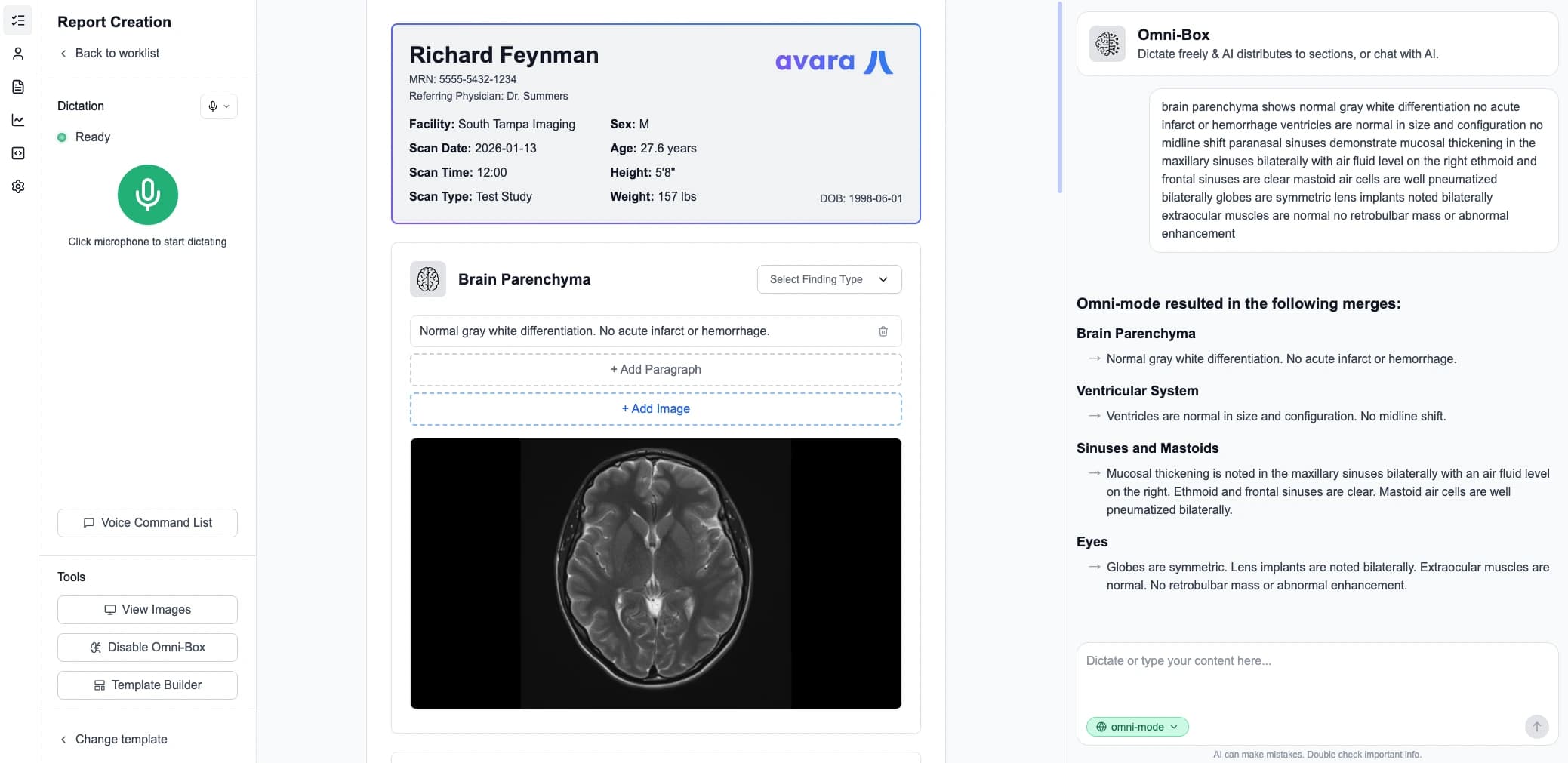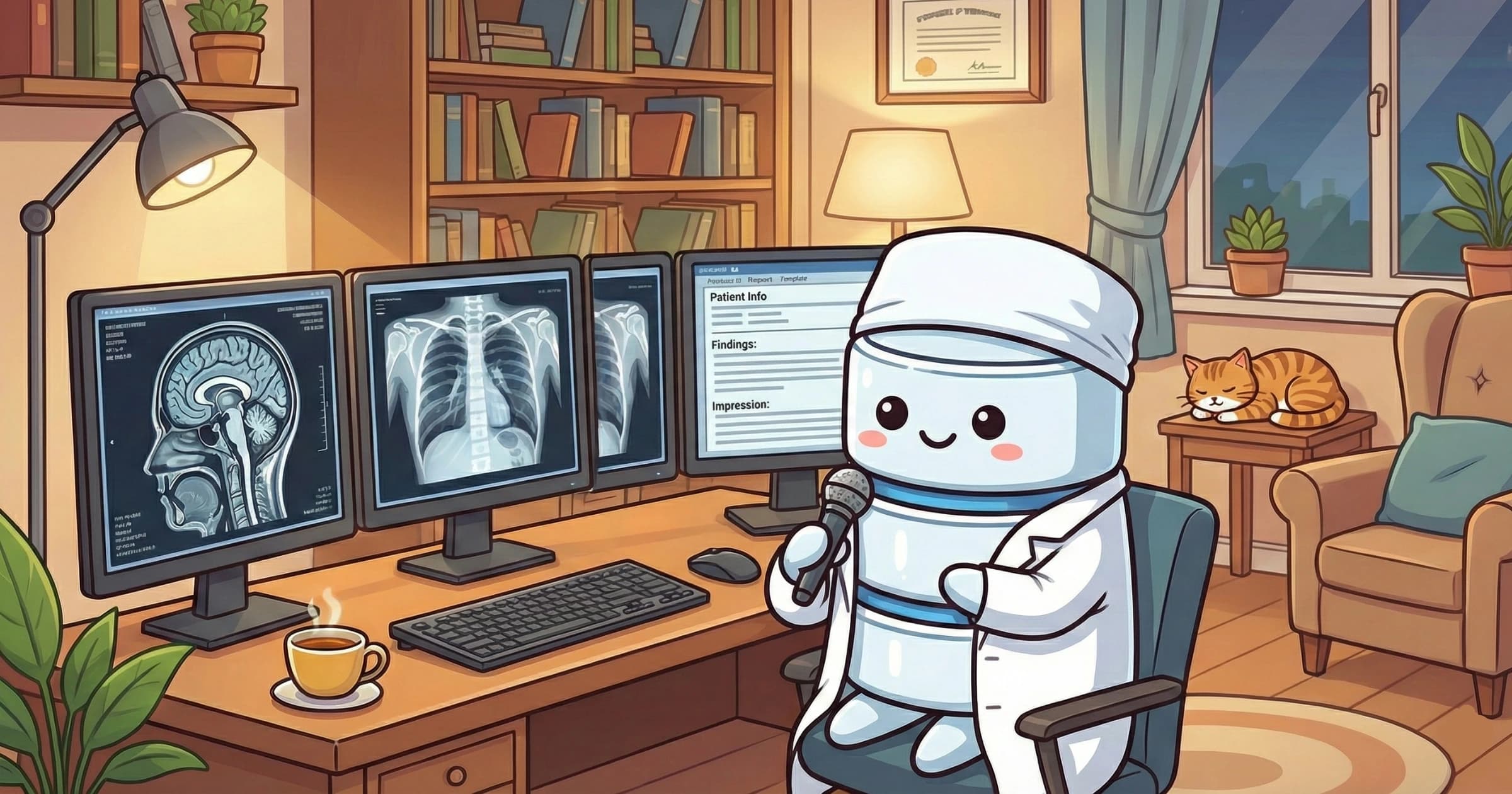
AutoScribe is an AI-powered radiology dictation platform that converts speech to formatted reports in real time. Built specifically for radiology workflows, AutoScribe understands medical terminology and report structures without voice training or transcription delays. The platform integrates directly into existing systems through standard APIs, delivering enterprise-grade speech recognition that radiologists can use immediately.
Imaging centers and specialty practices are tired of juggling vendors. They need practice management, patient scheduling, billing, and radiology dictation – but most EHR/RIS platforms only deliver the first three.
The result? Your customers are forced to bolt on third-party dictation systems like PowerScribe, spend months on integration, and deal with clunky workflows where radiologists jump between multiple platforms just to complete a single report.
Worse, they're eyeing all-in-one competitors that offer native dictation, seamless workflows, and zero integration headaches. If your platform doesn't offer AI-powered radiology dictation, you're one vendor relationship away from losing that customer.
The opportunity: Embed AI-powered radiology dictation natively into your EHR/RIS platform, capture new revenue, and become the obvious choice for imaging centers and specialty practices with in-house imaging.
The Problem EHR/RIS Platforms Face
1. Your Imaging Customers Need Dictation, But You Don't Offer It
Imaging centers using your EHR/RIS for scheduling, billing, and patient management still need dictation software for their radiologists. That means:
- They buy PowerScribe, RAD AI, RADPAIR or another legacy dictation vendor separately
- Your IT team (or theirs) spends weeks/months integrating it with your platform
- Radiologists toggle between your EHR and the dictation system, breaking workflow
2. You're Losing Imaging Centers to All-in-One Platforms
Imaging centers are gravitating toward platforms that offer everything: EHR, RIS, PACS, patient portal, billing, and AI-powered native dictation. These platforms promise one login, one system, one vendor, seamless workflows, and faster setup.
If your platform can't offer dictation natively, you're competing with one hand tied behind your back.
The Opportunity: Native Dictation = New Revenue + Competitive Advantage
1. Capture New Revenue
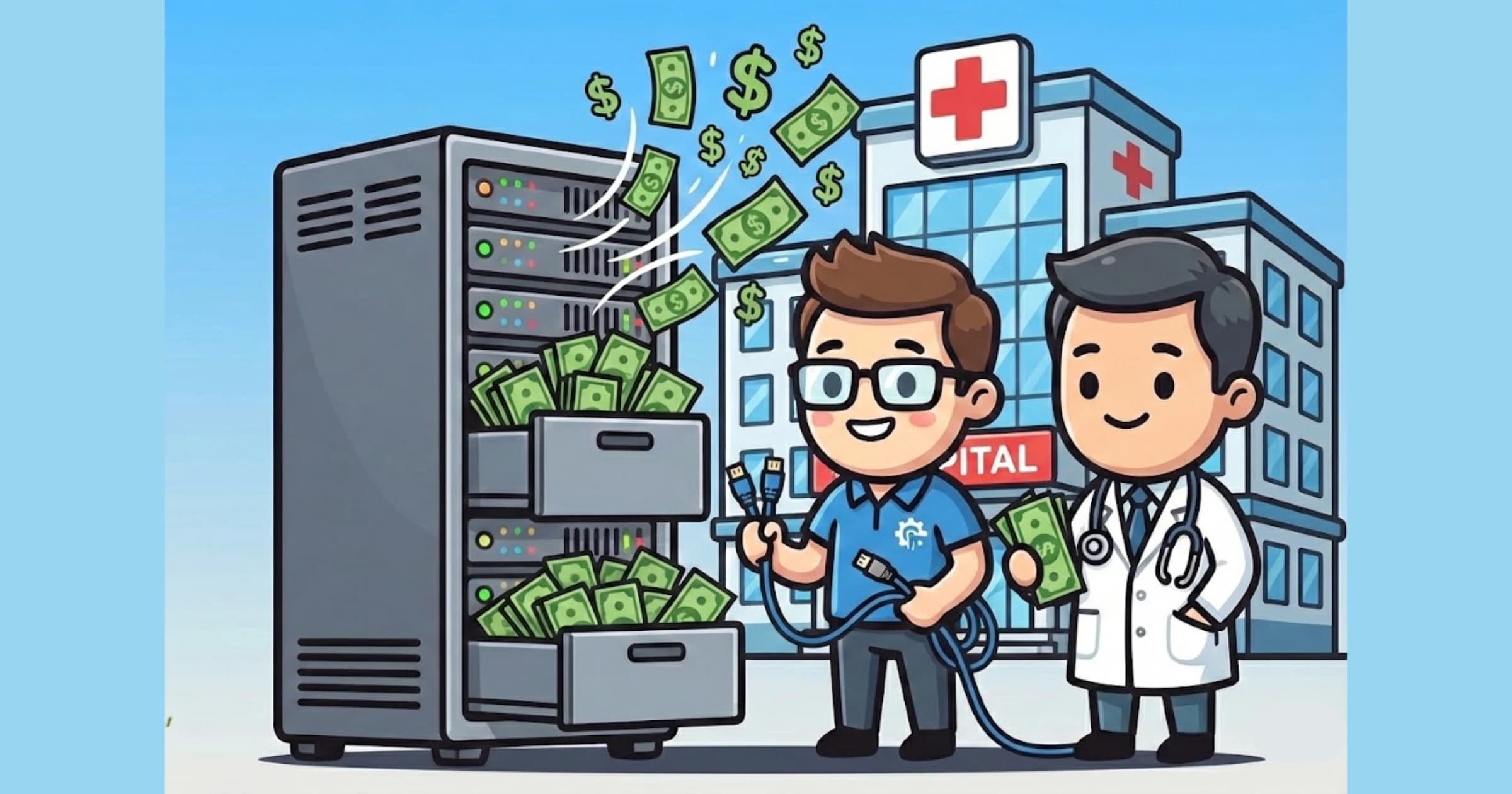
You charge imaging centers per study for dictation services (volume-based pricing). They get seamless, native dictation. You keep the margin.
2. Win (and Retain) Imaging Center Customers
When imaging centers evaluate EHR/RIS platforms, they ask: "Does your platform have built-in dictation, or do we need to integrate a third-party vendor?"
If you say, "We have native AI-powered dictation built in" – you've removed a barrier and differentiated yourself from every competitor.
3. Own the Full Imaging Workflow
With native dictation, you're no longer just the scheduling/billing system. You're the clinical workflow platform:
- Radiologist opens study in your EHR
- Dictates report using AutoScribe (embedded seamlessly)
- Report auto-populates patient chart
- Billing codes (CPT for report interpretation) populate for revenue cycle
Why Legacy Dictation Integration Has Been Painful
PowerScribe and the Old Way:
PowerScribe dominates the market – not because it's great, but because it's entrenched. Integrating it with your EHR/RIS means:
- Weeks (or months) of implementation: Custom HL7 interfaces, DICOM worklist integration, IT coordination
- Voice training required: Radiologists spend hours teaching the system their voice patterns
- Outdated UI: Software that looks like it was built in 2005
- High cost: Enterprise licensing, per-seat fees, annual contracts
- Zero revenue for you: PowerScribe keeps all the money; you're just the integration point
Your imaging center customers don't like it. Your IT team hates it. And you don't make a dime.
The AutoScribe Advantage: Built for EHR/RIS Platforms
1. Integration in Minutes (Not Weeks)
AutoScribe uses a modern SDK and API architecture – think Stripe for payments, but for radiology dictation. No custom development required. No server infrastructure to manage. No vendor hand-holding needed.
Your engineering team embeds the SDK, maps patient/study metadata, and you're live. Most platforms complete full integration in under an hour.
2. Temporary Access Links: Radiologists Never Leave Your Platform
AutoScribe uses temporary access authentication. The radiologist logs into your EHR/RIS (not AutoScribe), clicks "Open Study" → AutoScribe launches seamlessly, they dictate the report, and it auto-populates the patient chart. They never see a separate login or vendor branding.
It feels native to your platform because it is native.
3. Superior AI Technology
AutoScribe isn't just speech-to-text. It's AI-powered radiology workflow automation:
- 96.6% accuracy (highest in the industry, lowest error rate)
- Omnibox: Radiologists speak naturally; AI routes content to the correct report sections
- Ask Mode: Query AI mid-dictation and inject responses into the report
- Auto-generate impressions, follow-up recommendations, and comparison text
- Custom templates and macros
- No voice training required
4. Volume-Based Pricing (You Keep the Margin)
AutoScribe charges per study. You charge your customers per study. You keep the difference. Transparent, predictable, profitable.
5. White-Label Optional
Want to brand it as your own? AutoScribe supports white-labeling.
How It Works: EHR/RIS + AutoScribe Integration
Step 1: Embed AutoScribe SDK
Your engineering team integrates the AutoScribe SDK into your EHR/RIS platform. This takes less than an hour for most platforms.
Step 2: Map Patient and Study Metadata
AutoScribe pulls patient demographics and study information from your EHR via API: patient name, MRN, DOB, study type, accession number, ordering provider. This mapping is highly configurable.
Step 3: Radiologist Dictates Within Your EHR
Radiologist logs into your EHR/RIS → Opens a study from the worklist → Clicks "Dictate" → AutoScribe interface appears (temporary access, no separate login) → Speaks naturally, AI structures the report in real time → Reviews, edits, and signs.
Step 4: Report Auto-Populates Patient Chart
Once signed, AutoScribe pushes the completed report back to your EHR via API. The report appears in the patient chart instantly. No manual uploading.
Business Case: Customer Retention
Imaging centers evaluating platforms compare:
Option A (Your Competitor): EHR/RIS for scheduling and billing. Must integrate PowerScribe separately (weeks of setup, $$$). Clunky workflow, radiologists hate it.
Option B (Your Platform with AutoScribe): EHR/RIS for scheduling and billing. Native AI dictation built in (setup in minutes). Seamless workflow, radiologists love it.
Which platform wins the deal?
Who Uses AutoScribe in Your EHR/RIS?
1. Imaging Centers with In-House Radiologists
Outpatient imaging centers (MRI, CT, X-ray) using your EHR/RIS for practice management. Their radiologists (employed or contracted) use AutoScribe for dictation.
2. Teleradiology Groups Integrated with Your Platform
Many imaging centers outsource reporting to teleradiology groups. If your EHR/RIS integrates AutoScribe, those remote radiologists can dictate directly into your system – no separate login required.
3. Specialty Practices with Imaging
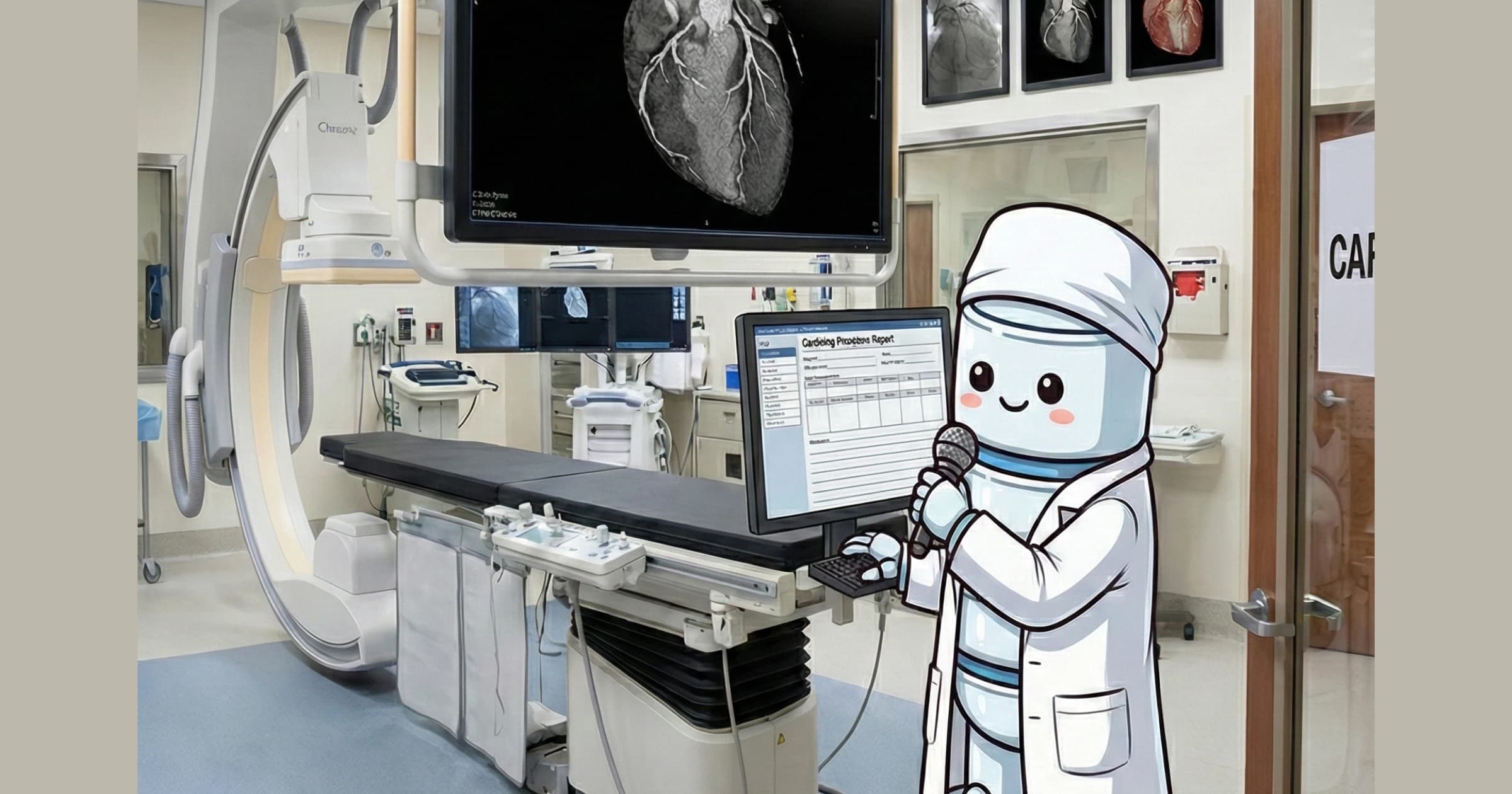
Orthopedic, cardiology, sports medicine practices doing in-house imaging (X-ray, ultrasound, MRI). Their physicians read studies and dictate reports using AutoScribe embedded in your EHR.
Get Started: Add Dictation to Your Platform in Under an Hour
AutoScribe is designed for EHR/RIS platforms that want to:
- Capture new revenue from imaging center customers
- Differentiate from competitors by offering native dictation
- Own the full clinical workflow (not just scheduling and billing)
- Integrate fast (hours, not weeks)
Ready to see how it works?
- Contact Sales – Get a custom demo and partnership pricing
- Read the API Docs – See how simple integration really is